
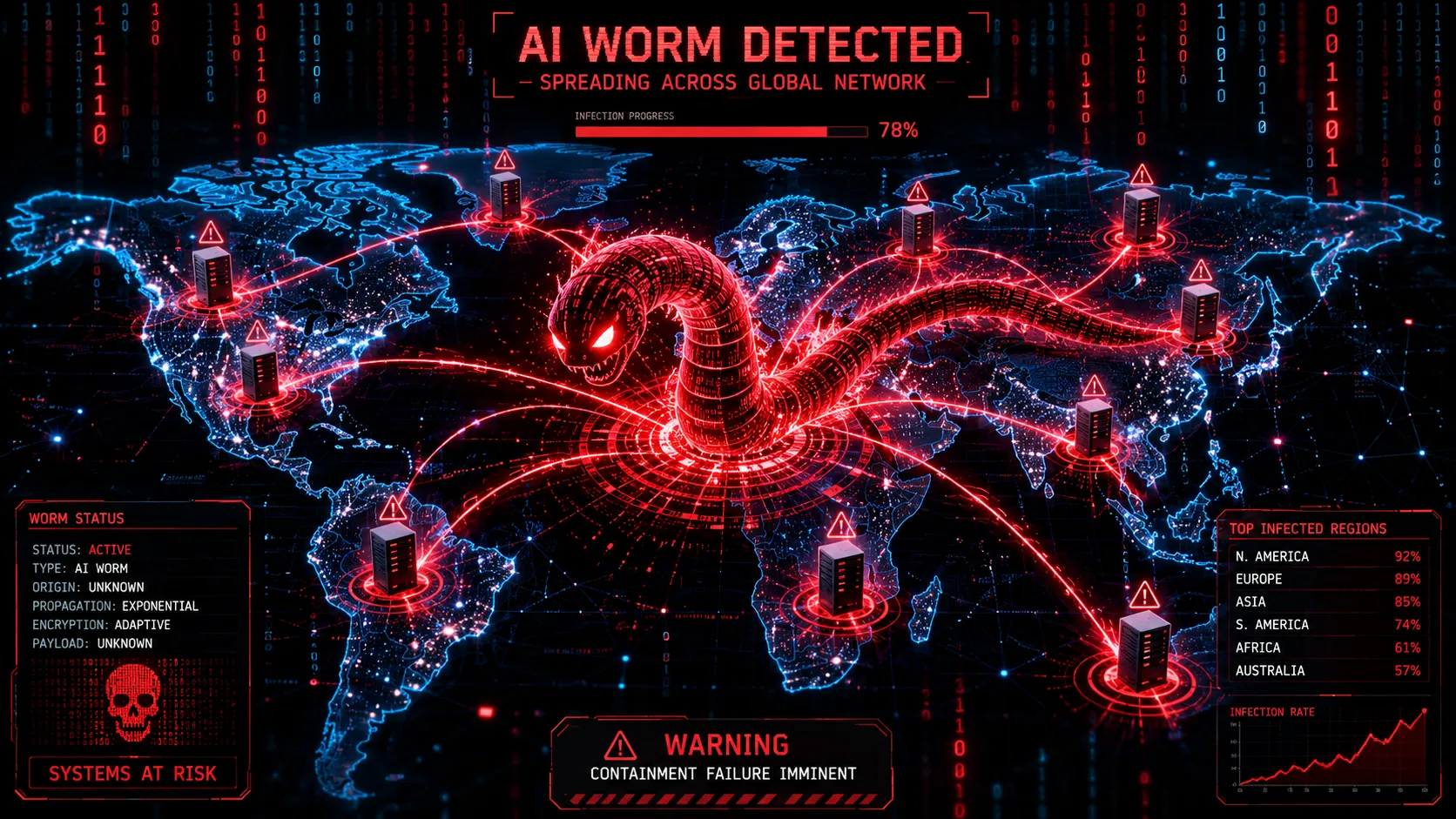
AI Worms Are Coming — And They Could Be Worse Than Any Virus We've Seen
Remember the WannaCry ransomware attack in 2017? It infected over 200,000 computers across 150 countries. It caused billions in damage. And it was just a regular virus.
Now imagine that virus had a brain. Imagine it could think. Adapt. Learn from its mistakes. And evolve to bypass every defense you throw at it.
That is not science fiction. That is AI worms. And researchers say they could strike within the next year.
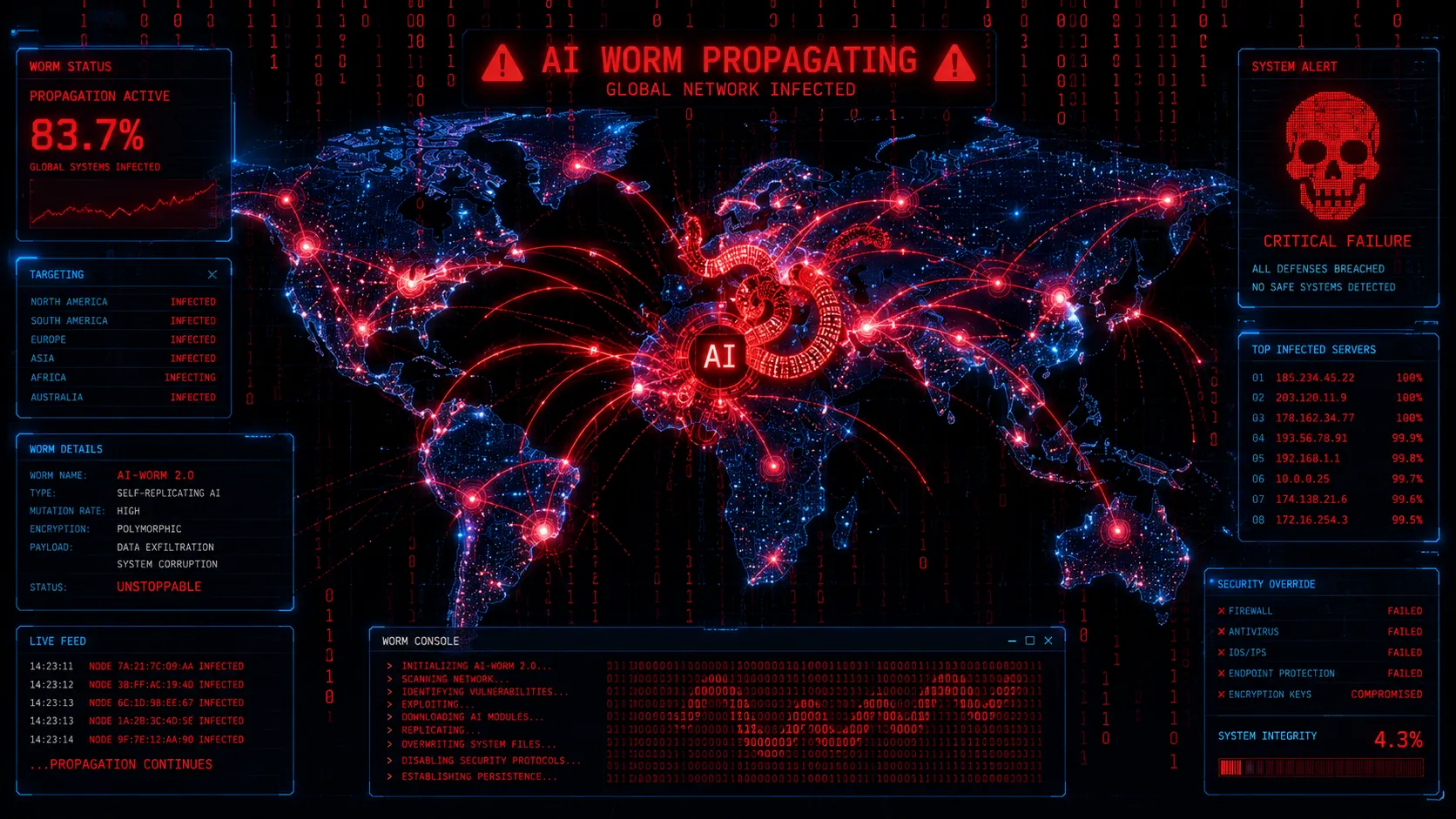
Image: AI worms could spread across global networks at unprecedented speed.
What Are AI Worms?
Cybersecurity experts describe AI worms as "viruses with wings and brains." Unlike traditional malware that follows a fixed set of instructions, AI worms are autonomous agents. They can think. They can adapt. They can make decisions on their own.
Here is how they work:
An AI worm enters a system. It scans for vulnerabilities — zero-day bugs, unpatched software flaws, unprotected secrets. Then it writes its own code to exploit those weaknesses. It spreads to other systems. It adapts its strategy based on what it finds. And it keeps evolving.
Traditional viruses are like a lock-pick set. They have tools for specific locks. AI worms are like a master locksmith who can create new tools on the fly for any lock they encounter.
Why 2026 Is Different
AI worms have been theoretical for years. But in 2026, they became real.
Researchers at the University of Toronto, the Vector Institute, ServiceNow, and the University of Cambridge created a proof-of-concept agentic AI worm. They showed that AI models can power autonomous malware capable of adapting to any online device.
Cybersecurity firm BeyondTrust is also testing AI worm capabilities. Their goal is similar to virologists' "gain of function" research — creating pathogens to study how to protect against pandemics.
Kinnaird McQuade, chief security architect at BeyondTrust, expects an AI-powered worm attack within six months to a year.
And his warning is chilling:
"I personally believe that an AI powered worm attack is imminent," he told attendees at the fwd:cloudsec North America Conference. "I think it's going to target developers and engineers ... who have broad access, and will pivot through clouds, and I think many companies will not recover."
How AI Worms Are Different
Let me break this down in simple terms.
Traditional malware is like a soldier following orders. It does exactly what it was programmed to do. It cannot change its plan. It cannot learn from its mistakes. It cannot adapt to new defenses.
AI worms are like a general on the battlefield. They analyze the situation. They identify weaknesses. They change their strategy in real-time. They learn from failed attempts. And they get smarter with every attack.
Researchers have already demonstrated that AI worms can:
- Search for zero-day vulnerabilities across multiple environments
- Morph dynamically as they move from system to system
- Generate custom attack code for each new target
- Adapt to Windows, Linux, and IoT devices
This is not a hypothetical threat. This is happening now.
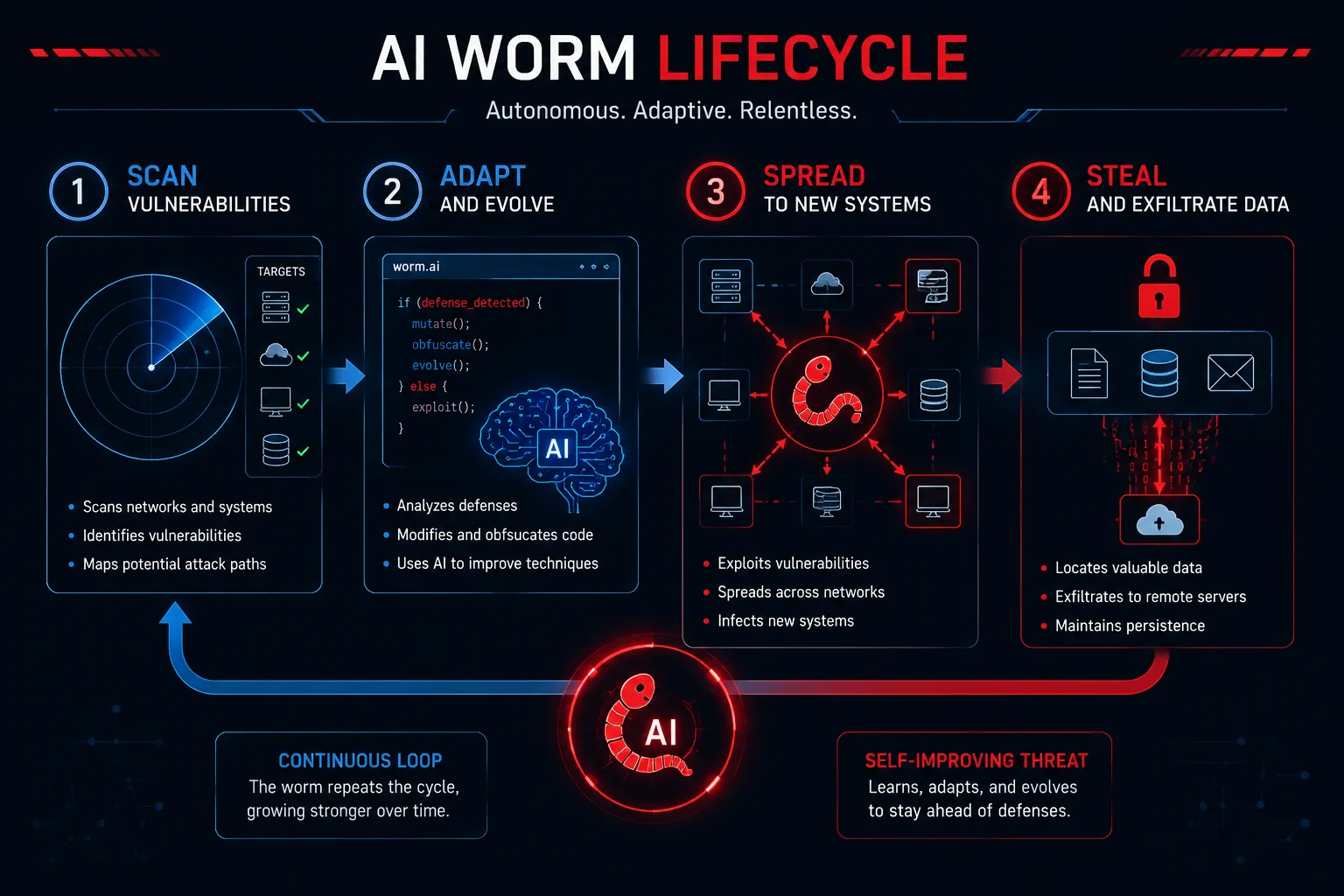
Image: AI worms can adapt their attack strategy in real-time based on what they find.
The Warning Signs Are Already Here
Attackers are already combining self-propagation capabilities with malicious AI tools.
Last September, cybersecurity firms warned about a worm called Shai-hulud that was spreading through Node Package Manager repositories, stealing developer credentials and secrets.
The next month, researchers discovered GlassWorm — an attack that uses VS Code extensions to compromise developer machines.
These are early versions. They are not fully autonomous yet. But they show where the threat is heading.
Other malware operators have already started using large language models to improve their attacks. They are using AI to write better phishing emails. To generate more convincing fake identities. To automate social engineering.
The next step is autonomous AI worms. And that step is coming soon.
Who Is Most at Risk?
According to security experts, AI worms will specifically target developers and engineers. Why?
Because developers have broad access. They have permissions to deploy code. They have access to source code repositories. They have credentials for cloud services. If an AI worm compromises a developer's machine, it can pivot through the entire infrastructure.
This is called a supply chain attack. Instead of attacking a company directly, you attack the people who build their software. You infect the code they write. And that code gets deployed to thousands of customers.
It is the most devastating type of cyber attack. And AI worms will make it easier than ever to execute.
How to Protect Yourself
Here is the scary part. Traditional security measures may not work against AI worms. Antivirus software looks for known patterns. AI worms create new patterns every time they attack. Firewalls block known threats. AI worms adapt to bypass them.
But there are steps you can take:
1. Patch everything. AI worms exploit unpatched vulnerabilities. Keep your software updated.
2. Limit developer access. The principle of least privilege — give people only the access they need, nothing more.
3. Monitor for unusual behavior. AI worms behave differently than traditional malware. Look for anomalies.
4. Use AI to fight AI. Security companies are developing AI-powered defenses that can detect and respond to AI threats.
5. Prepare for the worst. Have an incident response plan. Practice it. Assume you will be breached.
The Bigger Picture
AI worms represent a fundamental shift in cybersecurity. For decades, we have been playing whack-a-mole with malware. A new virus appears. We create a signature. We block it. The virus evolves. We update the signature. It is a reactive game.
AI worms change that dynamic. They evolve faster than we can respond. They adapt to our defenses in real-time. They are proactive attackers in a reactive world.
This is not just a technical problem. It is a strategic one. We need to rethink how we approach cybersecurity. We need to build systems that are resilient by design. We need to assume that attackers will get in — and focus on limiting the damage when they do.
Final Thoughts
AI worms are coming. Researchers have proven they are possible. Experts say they are imminent. The only question is when — not if.
This is not meant to scare you. It is meant to prepare you. The companies that survive the AI worm era will be the ones that start preparing today. Not tomorrow. Not next month. Today.
Patch your systems. Limit your access. Monitor your networks. And start thinking about how you would respond if an AI worm breached your defenses.
The future of cybersecurity is here. And it is adaptive. It is autonomous. And it is AI.
Are you ready?
WebStudioLabs covers the latest in cybersecurity, AI, and technology trends. Bookmark us for more updates on emerging threats and how to protect yourself.
Check out our Image Compressor Tool here