
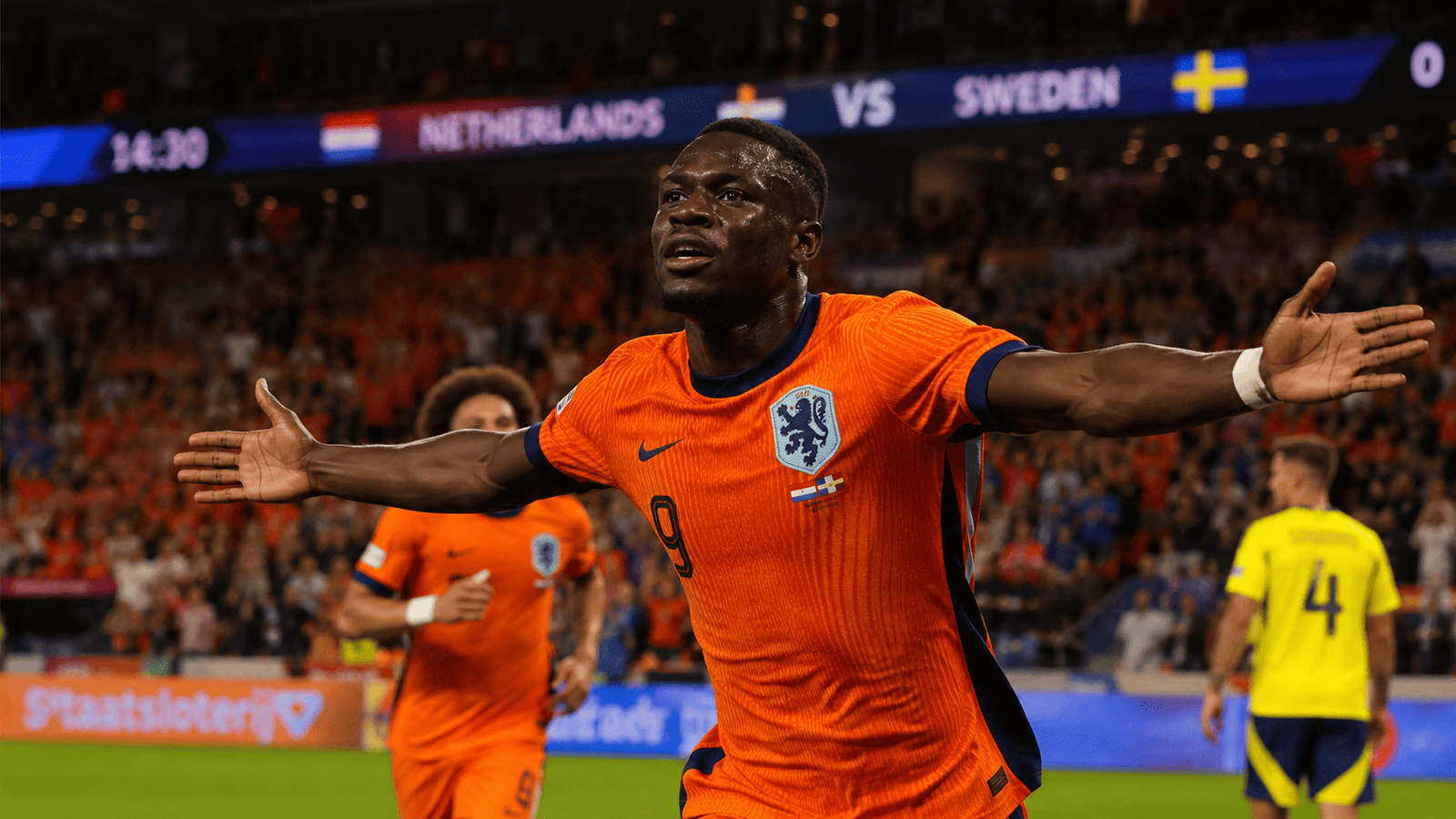
Netherlands vs Sweden: AI Predicted a Draw — Brobbey's Brace Proved Them Wrong
Another World Cup match. Another AI prediction fail.
On Saturday, the Netherlands faced Sweden in a crucial Group F clash at Houston Stadium. Most AI models predicted a tight draw. Some even said Sweden would win given their 5-1 demolition of Tunisia in the opener.
Instead, the Netherlands won 2-0. And it wasn't even close.
A Sunderland striker named Brian Brobbey — brought into the starting lineup just hours before kickoff — scored twice in 17 minutes. The Swedes were shell-shocked. The AI models were humbled.
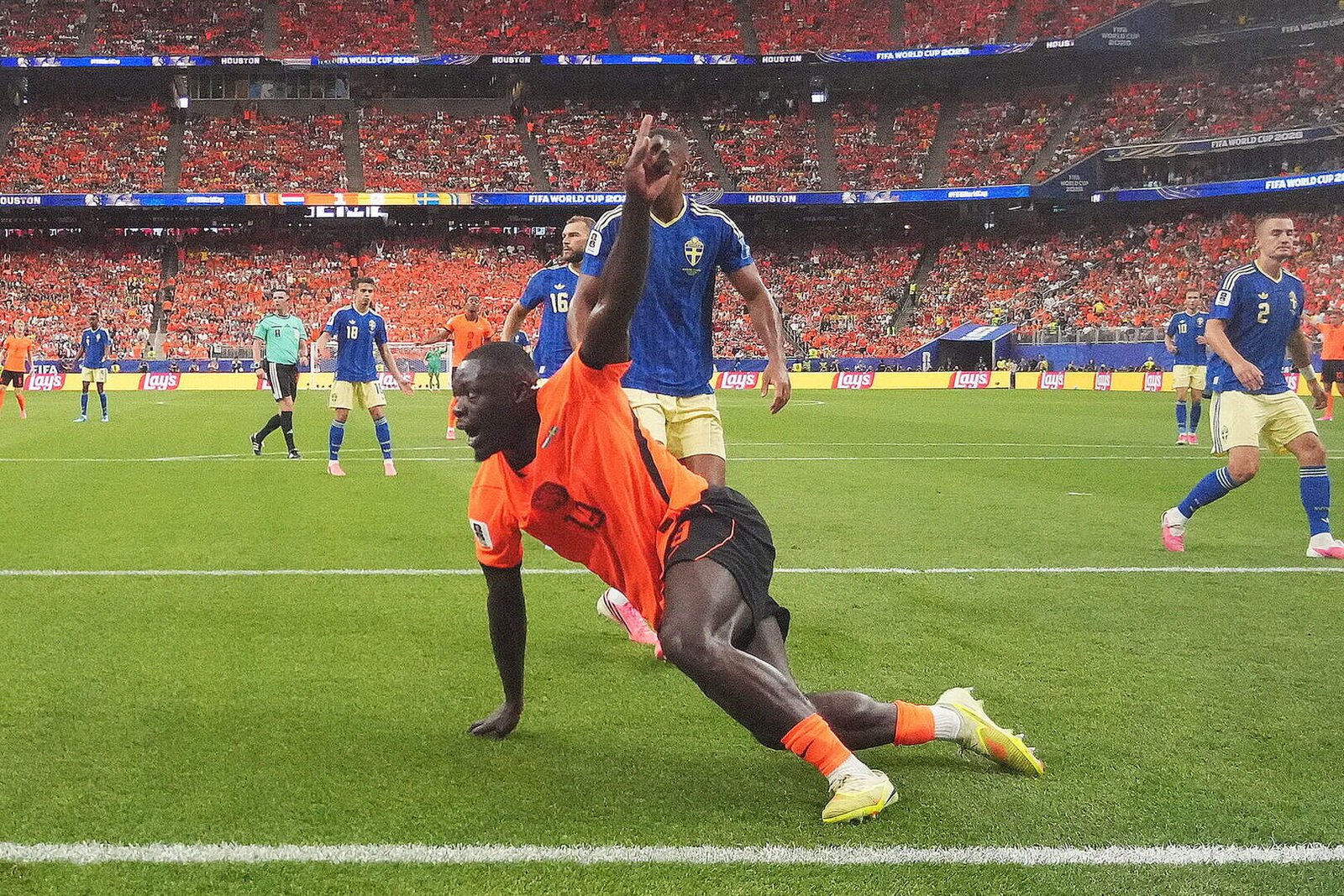
Image: Brian Brobbey scored twice in 17 minutes to give Netherlands a 2-0 win.
What Actually Happened in the Match
Before we talk about AI, let me quickly summarize what happened on the pitch.
The Netherlands came into this match under pressure. They had drawn 2-2 with Japan in their opener — a game they led twice but couldn't hold on. Sweden, on the other hand, had crushed Tunisia 5-1 and were flying high.
But Ronald Koeman made a bold call. He dropped Crysencio Summerville — who scored a brilliant goal against Japan — and brought in Brian Brobbey.
It took just five minutes for that decision to pay off.
Brobbey started the attack with superb hold-up play, released Cody Gakpo down the left, continued his run into the box, and poked home Gakpo's cross from six yards. Netherlands 1-0.
Twelve minutes later, it was 2-0. Denzel Dumfries delivered a low cross into the box. Brobbey got a slight touch with his toe — just enough to flick it into the bottom corner. The game was effectively over.
Sweden did have chances. Viktor Gyokeres forced a save from Bart Verbruggen. Yasin Ayari missed a golden opportunity to pull one back. But the Dutch defense held firm.
Final score: Netherlands 2-0 Sweden.
How AI Models Predicted This Match
Before kickoff, multiple AI models ran their predictions. And most of them got it wrong.
Several models predicted a draw. Others leaned toward Sweden, given their dominant opening performance. The logic seemed sound: Sweden had scored five goals against Tunisia. The Netherlands had conceded a late equalizer to Japan.
But AI missed something crucial. It couldn't account for Ronald Koeman's tactical gamble. It couldn't predict that a striker with just one international goal in 13 appearances would suddenly score two in 17 minutes.
It couldn't predict that Brobbey would be "a nightmare start for Sweden." It couldn't predict that the Sunderland forward would become the player that Swedish defenders couldn't handle.
AI models rely on data. They look at past performances. They analyze team statistics. They calculate probabilities. But they can't predict the unpredictable — a player suddenly finding form on the biggest stage.
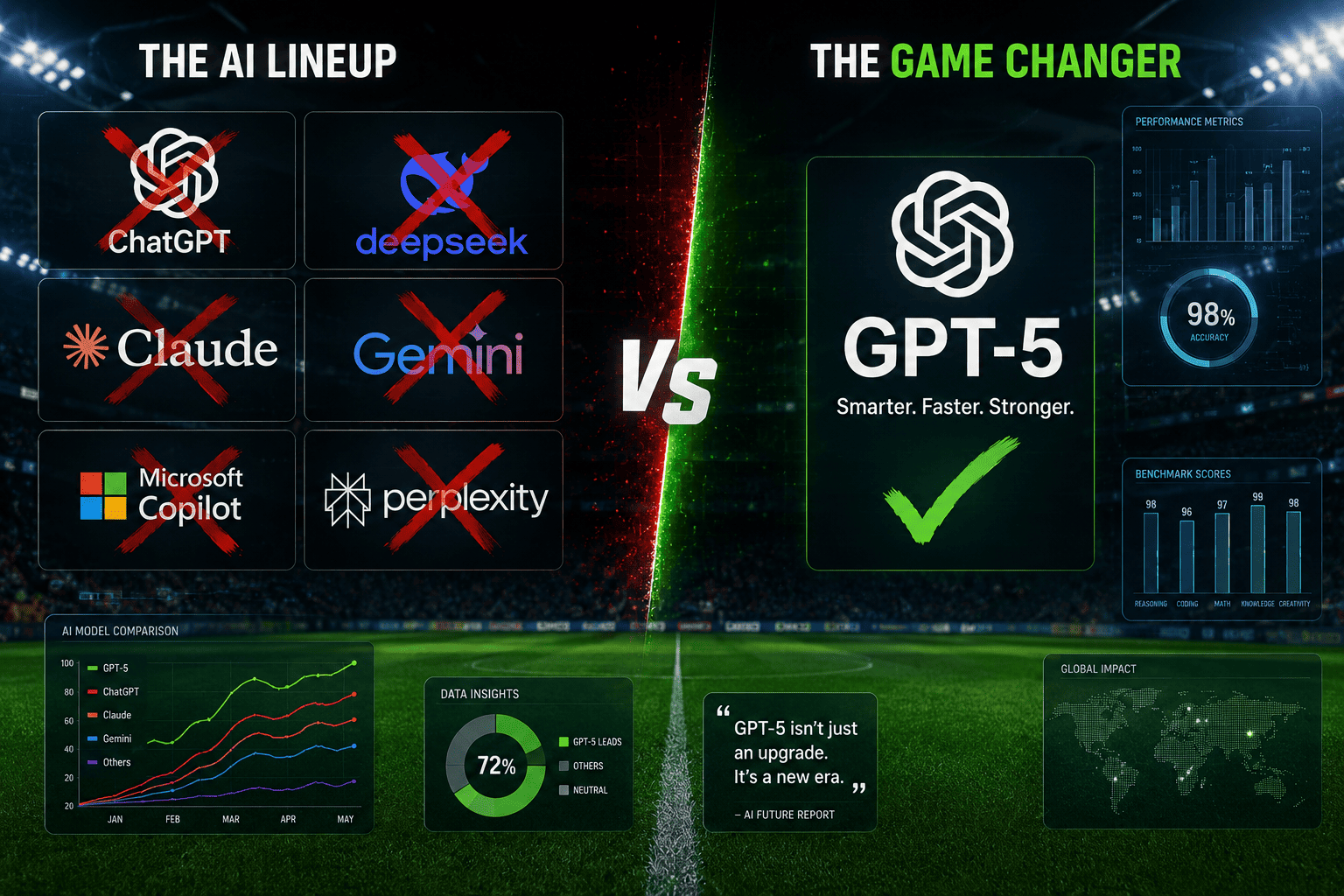
Image: Multiple AI models failed to predict the Netherlands victory.
Why AI Got It Wrong Again
This is becoming a pattern at the 2026 World Cup. AI predictions keep failing.
Earlier, 11 out of 12 AI models predicted Czechia would beat South Africa. That ended in a 1-1 draw. Now, multiple models predicted the Netherlands would struggle against Sweden. Instead, they dominated.
So why does AI keep getting it wrong?
AI doesn't understand momentum. Sweden came in with confidence from their 5-1 win. But the Netherlands came in with desperation — they needed a result. That desperation translated into aggression. AI couldn't measure that.
AI can't predict tactics. Koeman's decision to start Brobbey was a masterstroke. No algorithm could have predicted that a player with one international goal would score twice in 17 minutes.
AI can't measure individual brilliance. Brobbey's first goal was pure center-forward play — shrugging off defenders, releasing a teammate, and arriving in the right place. His second was a striker's instinct — getting a toe on a cross to flick it past the keeper.
These are moments of human creativity and instinct. No algorithm can predict them.
The VAR Factor — Technology That Worked (Mostly)
While AI was failing to predict the outcome, another piece of technology was working quietly in the background — VAR.
This World Cup has seen its share of VAR controversies. Earlier, a VAR official was investigated for a controversial hand gesture. Another VAR intervention overturned a yellow card in a different match.
But in this match, VAR had little to do. The goals were clear. The decisions were straightforward. The technology worked as intended — assisting the referee without creating controversy.
That's the ideal scenario for VAR. When it works quietly, nobody notices. When it creates controversy, everyone talks about it.
In the Netherlands vs Sweden match, VAR was the silent assistant. The real story was Brobbey and his unexpected brilliance.
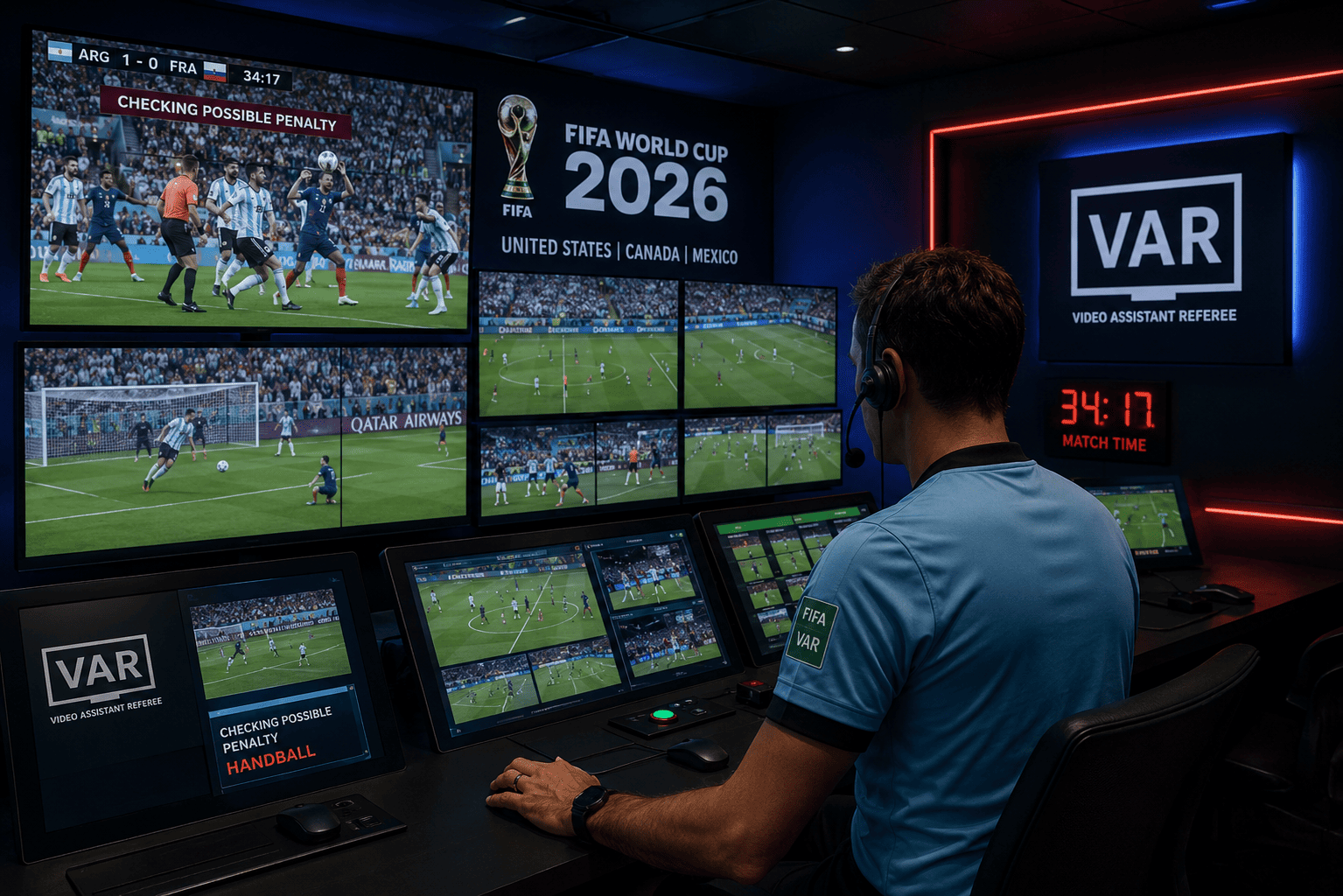
Image: VAR technology worked quietly in the background during Netherlands vs Sweden.
Historical Context — 52 Years in the Making
This match had historical weight. The Netherlands and Sweden had not faced each other in a World Cup since 1974.
That match — played 52 years ago in Dortmund — ended 0-0. But it was historic for a different reason. It was the match where Johan Cruyff invented the "Cruyff Turn."
Midway through the first half, Cruyff received a diagonal pass with a defender closing in. In the blink of an eye, he swiveled and left the defender for dead. The Cruyff Turn was born.
Now, 52 years later, the two teams met again. This time, the Netherlands didn't need a Cruyff Turn. They had Brian Brobbey.
The Dutch have now extended their unbeaten run in World Cup group games to 14 matches. They are also just one goal away from scoring their 100th World Cup goal.
What This Means for Group F
This result changes everything in Group F.
Sweden came into this match knowing a win would guarantee qualification for the knockout rounds. Instead, they lost. Now they have to wait.
The Netherlands, on the other hand, have revived their campaign. They now have 4 points from two matches. A draw or win in their final group match should be enough to progress.
Japan also drew with Tunisia in the other Group F match — meaning the Netherlands now top the group. The Dutch went from needing a win to avoid a difficult situation to sitting at the top of the group.
That's the beauty of football. One moment you're under pressure. The next moment, you're on top.
What This Tells Us About AI and Sports
This match is another case study in why AI struggles with football.
AI is great at analyzing patterns. It can process thousands of data points — possession, shots, passes, historical results — and make predictions. But it struggles with the unpredictable.
AI can't measure momentum. Sweden had momentum from their 5-1 win. But the Netherlands had desperation. That desperation was stronger. AI couldn't measure that.
AI can't predict individual brilliance. Brobbey had one international goal in 13 appearances. He scored two in 17 minutes. No algorithm could have seen that coming.
AI can't account for tactics. Koeman's decision to start Brobbey was a gamble. It paid off spectacularly. AI models don't gamble. They calculate probabilities.
Football is unpredictable. That's why we love it. And that's why AI will never fully understand it.
Final Thoughts
I watched this match unfold on Saturday. When Brobbey scored his second goal in the 17th minute, I thought about all those AI models that predicted a draw or a Sweden win.
They were all wrong.
Football is not played on a spreadsheet. It's played on grass, with 22 humans, one ball, and a thousand unpredictable moments. A tactical gamble. A striker finding form. A defense holding firm. A goalkeeper making a save.
These are the moments that make football beautiful. And they are the moments that AI can never predict.
Next time someone tells you AI can predict everything, show them this match. Show them Brobbey's brace. Show them how the Netherlands defied the algorithms.
That's why we watch. That's why we care. And that's why AI will never replace the beautiful game.
Long live the unpredictability of football.
WebStudioLabs covers the intersection of technology and sports. Bookmark us for more analysis on AI, VAR, and the future of football.
Check out our Professional Ecommerce Development Service here