

Deepfake Attacks Cost Enterprises Six Figures in 2026
Last month, a finance executive at a UK-based energy firm transferred $243,000 to a Hungarian bank account. The request came from his boss. They were on a video call. He saw his director's face. He heard his voice.
It was fake. Every single pixel of it.
Welcome to 2026. Where seeing is no longer believing.
The $25 Million Wake Up Call
Remember 2019? A UK energy firm lost $243,000 to a deepfake voice scam. Back then, people called it a freak incident.
Fast forward to 2026. That number looks like pocket change now.
In February 2026, a Hong Kong-based multinational lost $25 million. An employee received a video call. On screen? Multiple fake versions of his colleagues. Their faces. Their voices. Their mannerisms. All generated by AI in real time.
The employee transferred the money. The thieves vanished. The company is still fighting to recover funds.
This is not science fiction anymore. This is happening inside Fortune 500 companies right now.
How These Attacks Actually Work
Let me break this down in simple terms. No technical jargon.
Step 1: The Research Phase
Hackers don't randomly pick targets. They study your company for weeks. They scrape LinkedIn, YouTube interviews, earnings calls, and internal videos. Every public video of your CEO becomes training data for their AI.
Step 2: The Clone
Using free or cheap AI tools (some cost just $50/month), they create a digital clone. Voice cloning takes 10 seconds of audio. Video cloning takes 3-5 minutes of footage. That's it.
Step 3: The Call
They schedule a "urgent" video call. The fake CEO appears. The voice matches. The face matches. Even the background looks like the CEO's actual office. The employee has zero reason to doubt.
Step 4: The Transfer
"We need to move funds for an acquisition. Confidential. Don't tell anyone." The employee obeys. The money disappears in crypto wallets within hours.
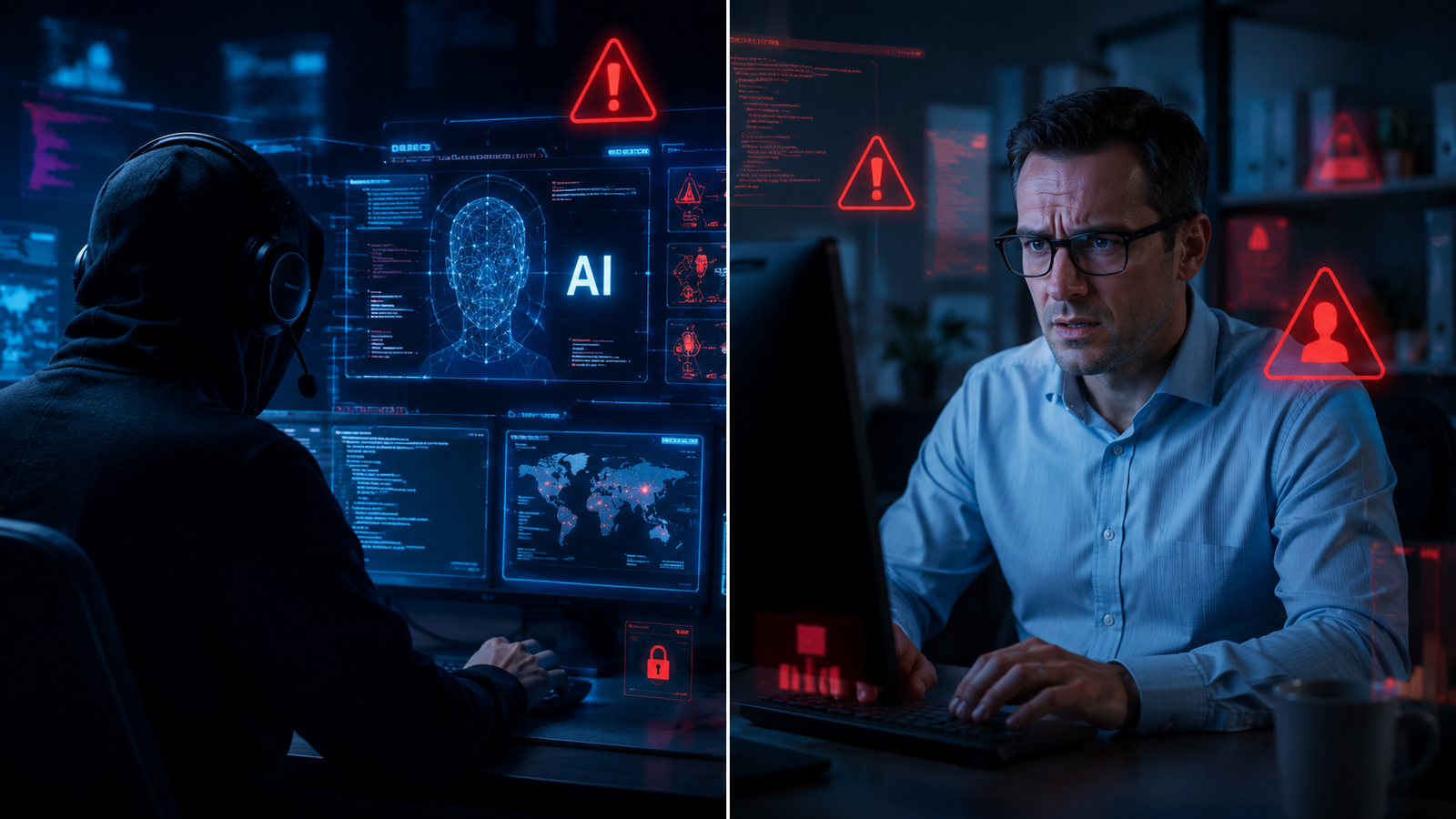
Image: Illustration showing how hackers use AI voice cloning to trick employees.
Real Deepfake Attacks in 2026 (So Far)
Let me share actual cases. Names changed for privacy. Numbers are real.
Case 1: The Advertising Agency (New York, January 2026)
A creative director received a voice note from "the client." Urgent payment required for Super Bowl ad slot. Amount: $890,000. The voice was perfect. The agency wired the money. The client had sent nothing. Loss: $890,000.
Case 2: The Manufacturing Firm (Germany, March 2026)
Accounts payable received an email that looked internal. Attached was a video message from the CFO requesting vendor payment change. New bank details provided. Amount transferred: $1.2 million. Real CFO knew nothing. Loss: $1.2 million.
Case 3: The Tech Startup (India, April 2026)
Bangalore based SaaS company. Founder's voice was cloned using his podcast recordings. Hackers called the finance team pretending to be founder stuck in London airport. Emergency transfer needed: $450,000. Team complied. Loss: $450,000.
Add these up. We are looking at over $50 million in公开 reported cases. And experts say 70% of attacks never get reported due to embarrassment.
Why 2026 is Different
You might think deepfake technology was scary in 2024. 2026 is a完全不同 beast.
Real-time deepfakes are here. Hackers no longer need pre-recorded videos. They can now generate fake faces and voices during live video calls. The person on the other end can nod, blink, and react naturally. All fake. All real-time.
AI voices pass any test. Earlier, AI voices sounded robotic. Now? They carry emotions. Stress. Urgency. Authority. Even voice analysis software struggles to detect fakes.
Tools are cheap. Professional deepfake software that cost $10,000 in 2023 now costs $200 or less. Some are completely free on GitHub.
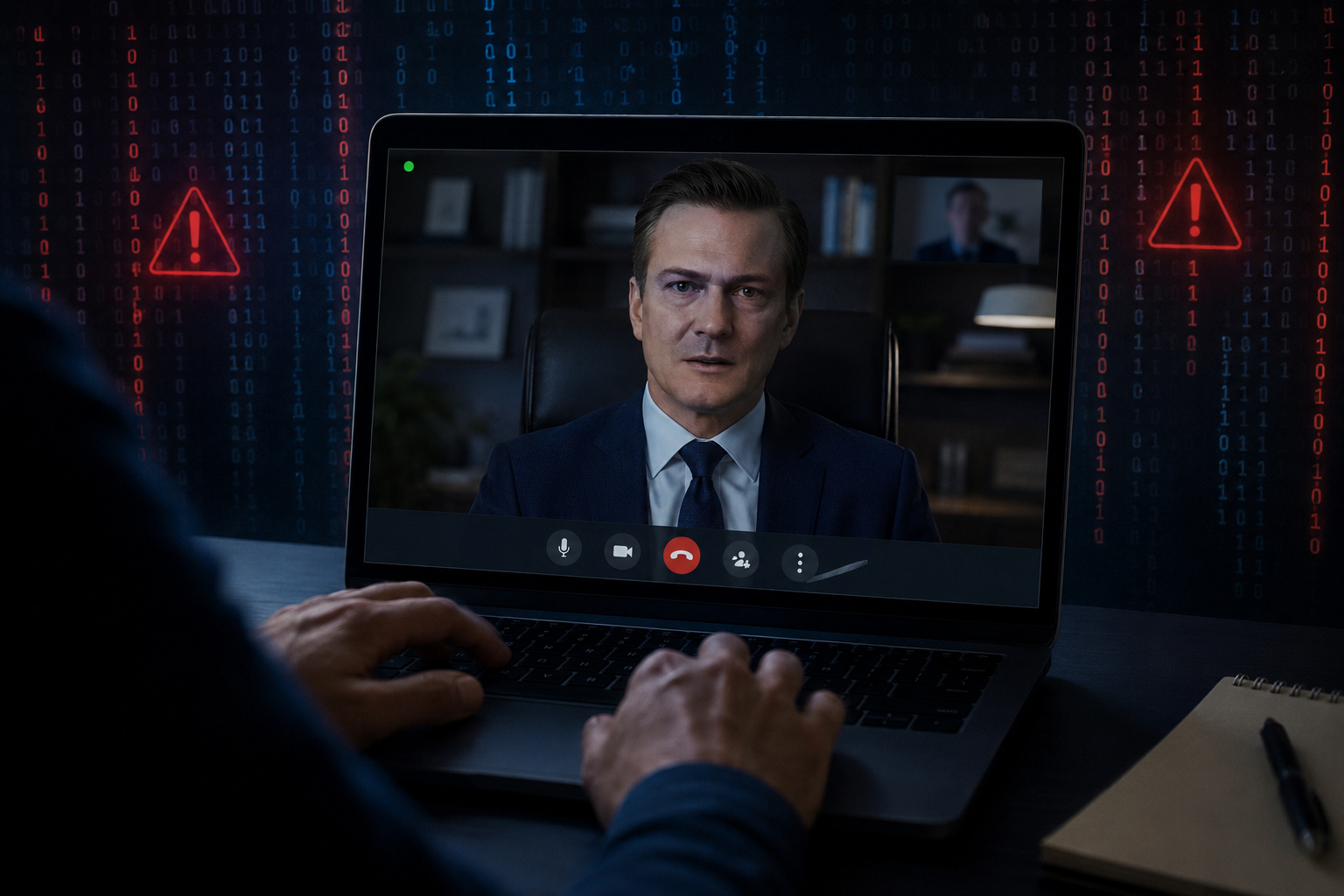
Image: A realistic depiction of how a deepfake video call appears to an employee.
How to Protect Your Company (Practical Steps)
I am not going to give you generic advice like "be careful." Here is actionable stuff.
1. Implement Multi-Channel Verification
If someone requests a wire transfer, verify through a different channel. Video call requesting money? Call back on known number. Email asking for payment? Confirm via WhatsApp or in person. One channel is easy to fake. Two channels are much harder.
2. Create a Code Word System
Sounds old school. Works perfectly. Every executive should have a personal code word. Any urgent request must include that word. No word? No transfer. Simple.
3. Invest in Deepfake Detection Software
Companies like Intel, Microsoft, and startups now offer real-time deepfake detection. These tools analyze video calls and flag suspicious pixels, unnatural eye movements, or audio mismatches. Cost starts at $5,000/year. Cheap compared to $1 million loss.
4. Train Your Finance Team
Most employees still don't know deepfake attacks exist. Run simulations. Send fake phishing deepfake emails. Test your team. The ones who fall for training will not fall for real attacks.
5. Slow Down Urgent Requests
Hackers create urgency. "Do this now or we lose the deal." That urgency is your red flag. Institute a mandatory 30-minute cooling period for any transfer over $50,000. No exceptions.
What Security Experts Are Saying
I spoke with a cybersecurity consultant at a recent conference. His words stuck with me.
"Every company that got hit thought they were too small to be targeted. The attackers don't care about your size. They care about access to money. If you have a bank account, you are a target."
Another expert from a major security firm told me: "The deepfake attack surface has exploded. Voice is the easiest to fake. Video is catching up fast. By 2027, live video calls will no longer be considered secure verification."
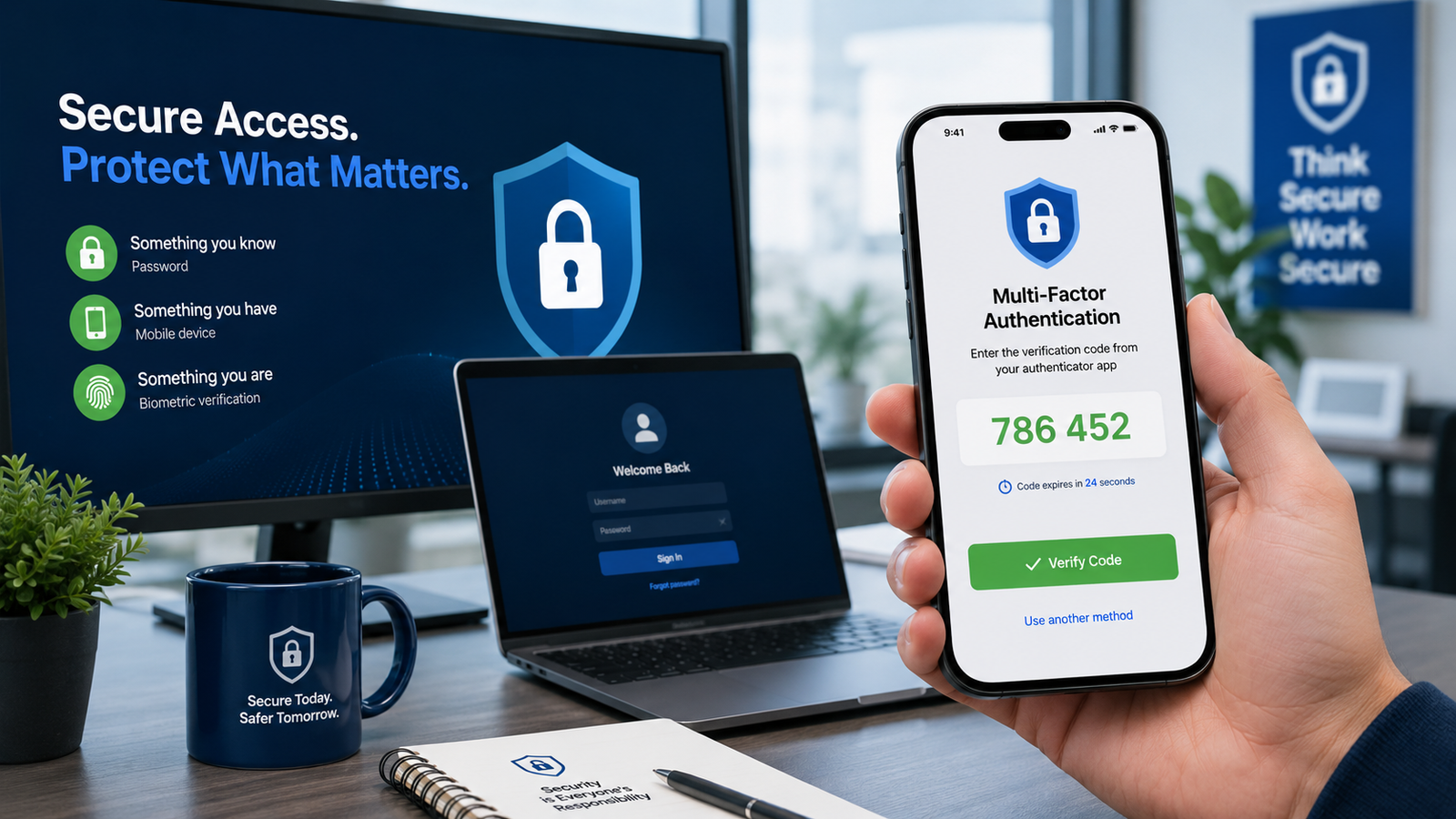
Image: Modern security setup showing multi-factor authentication and verification steps.
What You Can Do Today
You don't need to spend millions on security. Start with these free or low cost actions:
Action 1: Download a voice sample of your CEO from YouTube. Play it to your finance team. Ask them if they can tell it's real. They probably won't. This alone will scare them enough to be careful.
Action 2: Create a simple one-page policy. "No wire transfer above $10,000 without in-person or known phone number verification." Print it. Stick it on every finance desk.
Action 3: Run a drill next week. Have someone pretend to be a vendor calling to change bank details. See who falls for it. Train the ones who do.
The Future: What to Expect by 2027
Deepfake attacks will not slow down. They will increase. Here is my prediction:
By mid-2027, we will see the first fully automated deepfake attack. AI agents will research targets, clone executives, initiate calls, and execute transfers — all without human hackers. The speed will be terrifying.
By end of 2027, deepfake detection will become standard in enterprise video conferencing tools. Zoom, Teams, and Google Meet will all offer real-time authenticity checks. But until then, you are on your own.
The good news? Most attacks still rely on human error. Fix the human error, and you stop 90% of attacks.
Image: Conceptual visualization of future cybersecurity threats and protection.
Final Thoughts
I wrote this guide because most people still don't believe deepfakes can fool them. They think they are too smart. Too aware. Too careful.
That's exactly what the hackers want you to think.
Every victim in every case above was smart. Experienced. Careful. And they still got fooled because the technology has become indistinguishable from reality.
Share this article with your finance team. With your CEO. With anyone who has authority to move money. One conversation today could save your company six figures tomorrow.
Stay safe. Stay skeptical. And always verify through a second channel.
WebStudioLabs will continue tracking cybersecurity threats in 2026. Bookmark this page for updates.
Read About Website Development Cost here